
 Have you been diagnosed with carpal tunnel syndrome? This condition can be extremely painful and debilitating to live with. While there are plenty of treatments available, including corticosteroids and braces, they may not be enough to alleviate the pain. In those cases, surgery may be required.
Carpal tunnel release is a specialized surgery that can significantly relieve the pain, and in some cases heal this condition. At Florida Surgery Consultants, our team of highly trained orthopedic surgeons have successfully performed many carpal tunnel release surgeries. You can schedule a surgical consultation at one of our surgery centers by using the online form or calling 833-50-PAINFREE.
Should You Consider Carpal Tunnel Release Surgery?
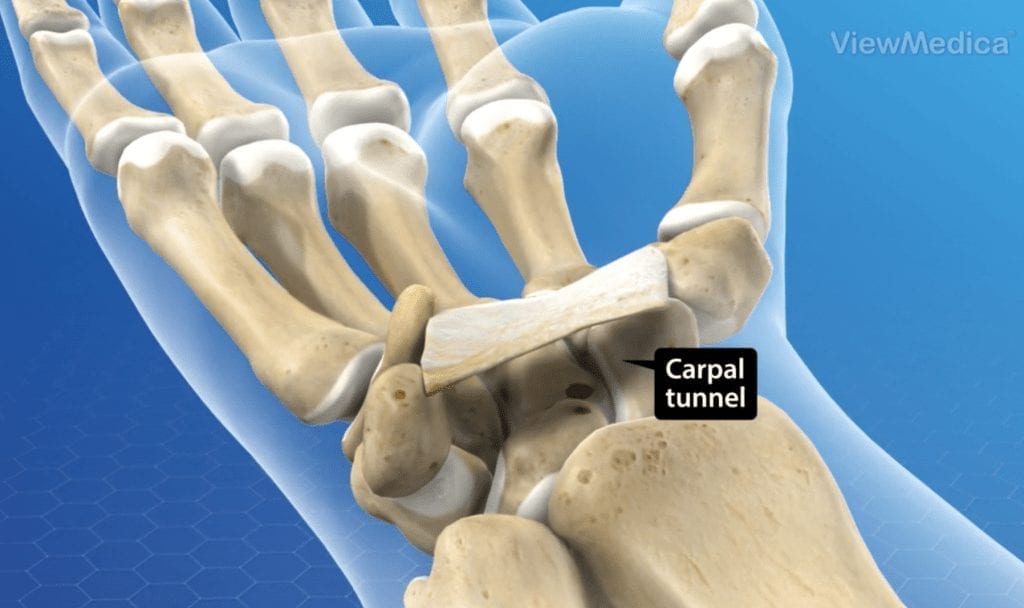
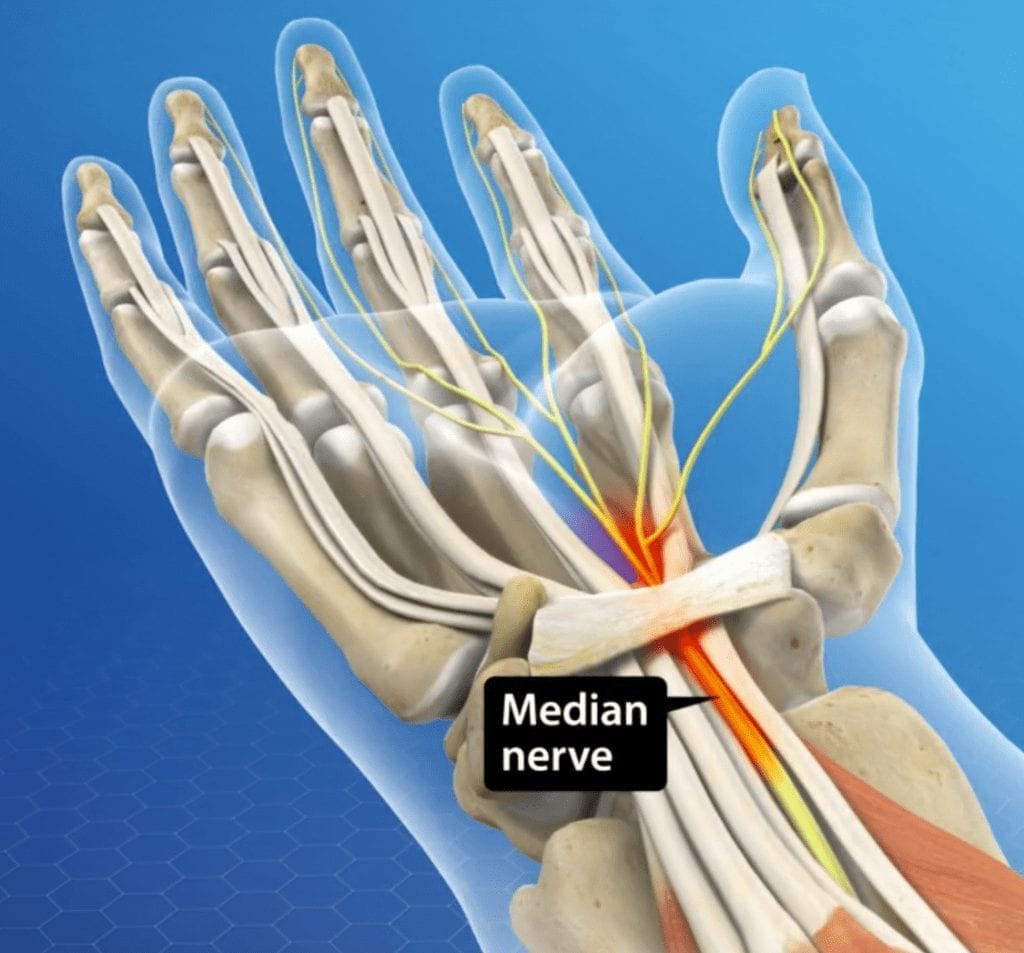 The carpal tunnel is a narrow passageway formed by the small wrist bones (carpal bones) on the bottom and a band of connective tissue known as the transverse carpal ligament across the top. It allows the median nerve and tendons that control finger movement to move the wrist.
Carpal tunnel syndrome is a painful condition that affects the hands and wrists. This condition occurs when there is an injury or tightness in the carpal tunnel causing the tissues within the tunnel to press on the median nerve. This can lead to tingling, numbness, pain, and a loss of motion in the hands and fingers.
If you have been diagnosed with carpal tunnel syndrome, you may be wondering if surgery is the right move? Start by asking your doctor about what treatment options are available and their pros/cons. Nonsurgical methods will be recommended first, these include:
- Corticosteroids
- Over-the-counter pain medication
- Wrist splints or braces
- Physical therapy
If nonsurgical treatment options have proven ineffective at relieving pain, it may be time to consider carpal tunnel release surgery. This is recommended if you have had symptoms for 6 months or longer without any pain relief, or if the muscles in the hands and wrists have gotten weaker and are beginning to shrink.
How Is Carpal Tunnel Release Surgery Performed?
 The good news with carpal tunnel release surgery is you won’t have to stay in the hospital for a long time. The surgery is performed under a local anesthetic and you can expect to be released the same day.
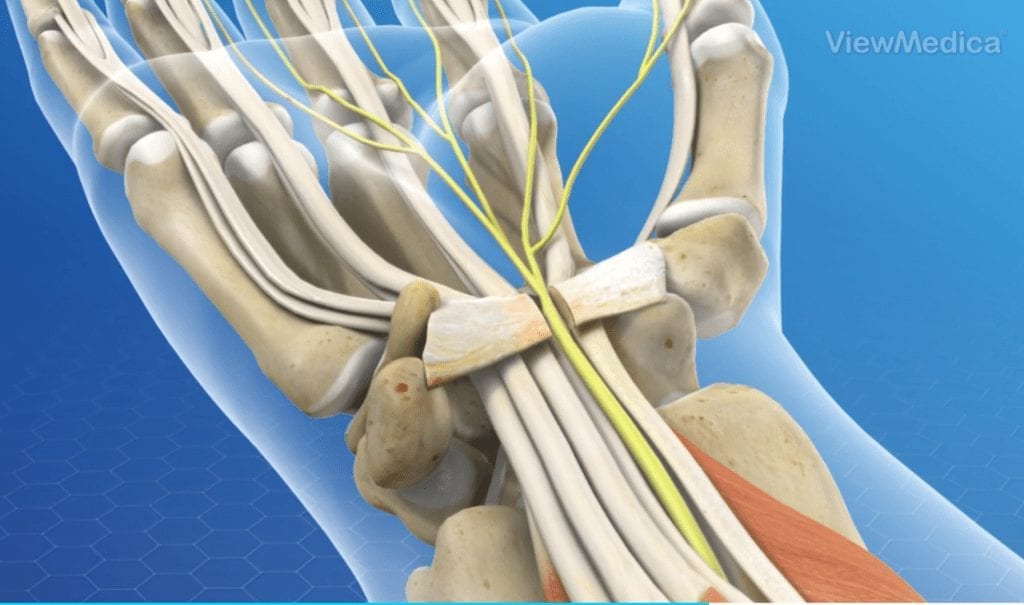
The surgery is performed by initially making a small incision at the base of the hand. This allows the surgeon to see the transverse carpal ligament. The transverse carpal ligament is then cut, releasing pressure placed on the median nerve. Once the ligament has been cut, your surgeon will close the wound using stitches. The cut in the ligament is allowed to heal on its own, filling with scar tissue.
There are two options for carpal tunnel release surgery: open and endoscopic. Both involve cutting the transverse carpal ligament to relieve pressure on the median nerve.
Open surgery requires a larger incision to be made. The incision is about 2 inches from wrist to palm allowing the surgeon access to the carpal tunnel.
Endoscopic surgery uses a smaller cut to create an opening about a half-inch wide in your wrist. A tiny camera is inserted through the opening in order to help guide the surgeon as they cut the ligament.
Are There Risks To This Surgery?
Fortunately, the risks involved with carpal tunnel release surgery are low. That is not to say there are no risks. Like with any surgery, there are some inherent risks, including:
- Infection
- Bleeding
- Damage to the median nerve
- Damage to blood vessels in the area
- Tenderness around the scar
There are also the risks that come with using general anesthesia, such as fluctuations in blood pressure and severe reactions to medicines used in anesthesia. However, less than 1% of carpal tunnel release surgeries have any problems.
How To Prepare For Carpal Tunnel Release Surgery?
Before heading in for surgery you will want to speak with your doctor. Be sure to mention any medication you are currently taking. This includes vitamins, supplements, herbs and over-the-counter medication. Your doctor will let you know what medicine, if any, you need to stop taking before surgery.
In some cases, your doctor may ask for blood tests or an electrocardiogram (ECG) before surgery can be performed. You should also avoid smoking before and after surgery as this can disrupt the healing process. As with most surgeries involving anesthesia, you will be asked not to consume any food or beverages for at least 6 to 12 hours ahead of the procedure.
What To Expect After Surgery?
Recovery from carpal tunnel release surgery can take anywhere from a few weeks to a few months. You can expect some measure of pain in the hand and wrist after surgery. However, this pain can usually be managed through the use of oral pain medication prescribed by your doctor.
Immediately following surgery, your hand will be wrapped in a bandage or placed in a splint for about 1 to 2 weeks. Typically your doctor will schedule an appointment to remove the bandage or splint at which point the stitches should be removed as well.
For most cases, physical therapy is required once the splint and stitches have been removed. Your physical therapist will provide you with motion exercises to help strengthen the muscles and movement of your hand. Physical therapy can help increase healing time and avoid reinjury.
Depending on what type of surgery you have and the severity of your condition, you may need to employ the use of a brace or splint at certain times post surgery, such as during work. You may also need to change work duties or consider taking some time off based on the nature of your job or if the surgery was performed on your dominant hand. Most people should expect to return to work within 6 to 8 weeks.
Be sure to follow your surgeon’s specific instructions during recovery. This will help you avoid any potential complications. Inform your doctor if you experience any issues following surgery, such as:
- Pain around the area of incision
- Fever
- Swelling, redness, or bleeding from the incision site
Our surgical team is available to help our patients during this recovery time, so don’t hesitate to call with any questions or concerns. If you have any questions about carpal tunnel release surgery or other neurological procedures offered by Florida Surgery Consultants, please contact us at 833-50-PAINFREE or you can use the form on this page to easily schedule a consultation with a board-certified neurosurgeon surgeon here in Florida.

