ACL reconstruction is one of the most common knee surgeries, and recovery is a gradual process that unfolds over several months. The ACL, or anterior cruciate ligament, is a band of tissue deep inside your knee that keeps the joint stable when you turn, pivot, or change direction. When an ACL tear occurs, surgeons rebuild it using a graft, or a piece of tendon that replaces the damaged ligament. The surgery itself is usually quick, but the real work happens during rehab, when your knee slowly regains its strength and movement.
Most people want a simple answer to how long recovery takes. The honest answer is that it varies. A full return to sports and high-level activity often takes 9–12 months, while it is possible to resume everyday activities much sooner.
The First Days After Surgery
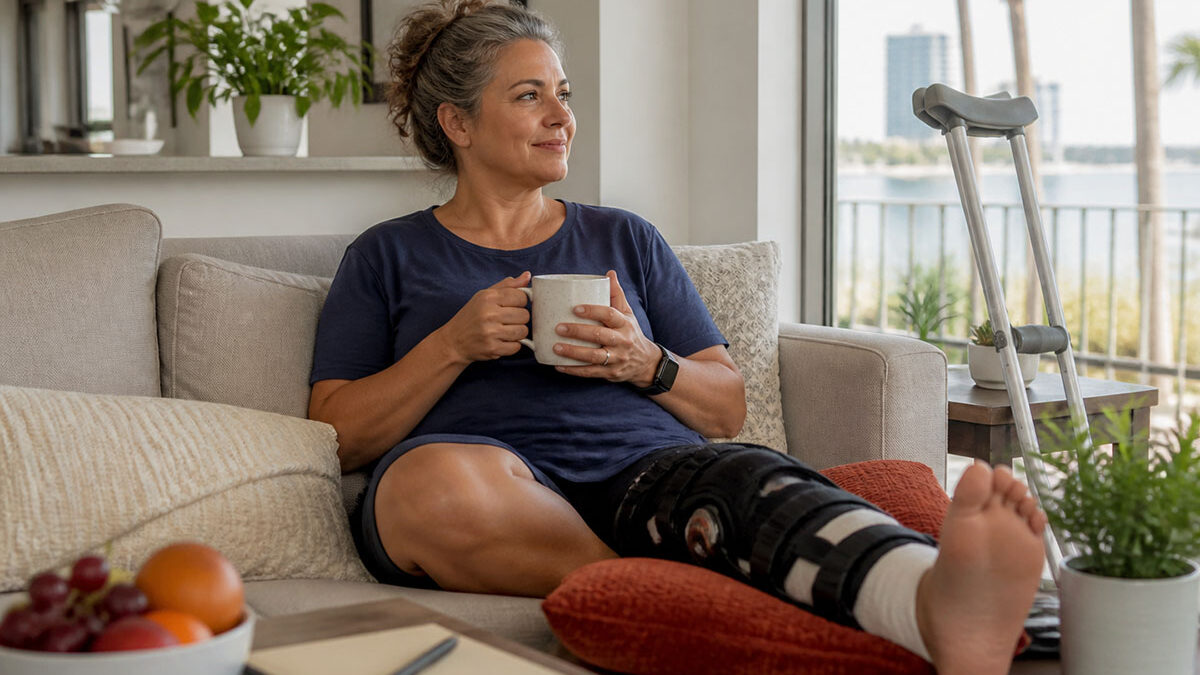
Early days are mostly about managing swelling and protecting your new graft. You will likely use crutches and possibly a brace, and your knee will feel sore and stiff. Pain is normal at this stage, and your care team will help you keep it under control. Rest, ice, and keeping your leg elevated work together to reduce swelling.
You can resume gentle movement almost right away. Simple exercises help wake up your muscles and prevent stiffness. The goal in this phase is not strength but getting your knee to bend and straighten safely.
Weeks One Through Six
During the first month and a half, physical therapy becomes the center of your recovery. Your therapist will guide you through exercises to restore range of motion and rebuild the muscles around your knee, especially your quadriceps. Many people can put more weight on the leg during this time and gradually move away from crutches.
This is also when daily life starts to feel more normal. Many people return to desk work within a week or two, depending on how they feel and what their job involves. If you drive, your provider will let you know when it is safe, often once you can control the leg comfortably and are off strong pain medication.
Months Two Through Five
As your knee gets stronger, your rehab becomes more active. You may move from basic exercises to light jogging, balance training, and movements that challenge your stability. This stage builds the foundation for more demanding activity later on.
Patience matters here. The graft is still healing and growing into place, even when your knee feels good. Pushing too hard too soon can set back your progress or risk a new injury. Sticking closely to your therapy plan is the best way to stay on track.
Returning To Sports and Full Activity
Getting back to sports is usually the final milestone, and it tends to happen somewhere between nine and twelve months after surgery. Before clearing you, your care team will check that your strength, stability, and movement match your healthy knee. Some people are ready a little sooner, and others need more time. There is no prize for rushing.
Returning before your knee is ready raises the chance of re-tearing the graft. That is why these later checkpoints focus on quality of movement, not just the calendar.
A Few Things That Could Affect Your Timeline
No two recoveries look exactly alike. Several factors can speed up or slow down your progress, including how committed you are to physical therapy, your age and overall health, the type of graft used, and whether you had other knee injuries such as a meniscus tear at the same time. Staying consistent with your exercises and keeping your follow-up appointments are two of the biggest things within your control.
It also helps to set realistic expectations. Recovery is rarely a straight line. You may have good weeks and frustrating ones, and that is a normal part of the process.
Setting Yourself Up For a Strong Recovery
ACL recovery takes time, but a clear plan and steady effort make a real difference. The more you understand each stage, the easier it is to stay motivated and avoid setbacks. With the right guidance and a well-planned ACL reconstruction, most people return to the activities they love.
If you are dealing with a knee injury or preparing for knee surgery, the board-certified orthopedic specialists at Florida Surgery Consultants can walk you through every step, from diagnosis through rehab. With locations in Tampa, Brooksville, Ocala, Lakewood Ranch, Gainesville, Lakeland, and Largo, expert care is nearby. Schedule your consultation today by calling 833-50-PAINFREE or visiting floridasurgeryconsultants.com to start your recovery on the right foot.