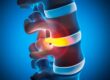

A herniated disc, damaged disc, or bones spurs in the neck can lead to pressure being placed on the spinal nerves in the neck. These pinched nerves can cause pain, numbness, weakness, and tingling in the neck and arms. Fortunately, there are treatment options available for this debilitating condition, such as ACDF surgery.
When nonsurgical treatments and medication have proven insufficient at reducing or alleviating pain symptoms from a pinched nerve in the neck, surgical methods can be the next best option.
Anterior cervical discectomy and fusion (ACDF) is a surgical procedure designed to treat a herniated or damaged disc in the neck. Keep reading to learn more about ACDF surgery and how it can help treat your neck and arm pain.
Am I a Candidate for ACDF Surgery?
Before you decide to undergo ACDF surgery, you must first determine whether or not you are an appropriate candidate for this procedure. With any surgery, it is always recommended to try nonsurgical treatments along with medication for about 6 weeks to see if relief can be attained.
When nonsurgical options have failed to provide relief, it may be time to consider surgery.
The two major conditions ACDF surgery is used to treat are bulging and herniated discs or degenerative disc disease.
A bulging or herniated disc occurs when the gel like material in a disc breaks through the wall of the disc and puts pressure on the nerves. Degenerative disc disease happens when the disc naturally wears done causing bone spurs and facet joints to form. This leads the disc becoming weaker and less flexible while losing the cushion and space within the disc.
Your doctor can use diagnostic tests, such as a MRI, CT scan, or myelogram, to determine if one of these conditions is the cause for your pain. If so, you may be a candidate for ACDF surgery.
Other factors your surgeon will look for to determine if an ACDF procedure could be right for you include:
- Intense pain or weakness in your arms and hands
- Symptoms from damaged discs are worse in the arms than the neck
- No significant improvement has been achieved through physical therapy or medication
What are the Risks?
Any surgical procedure carries some inherent risk, especially surgery that requires anesthesia. It is important to understand the risks involved with spinal surgery before making your decision. Common surgical risks involved with ACDF surgery include:
- Bleeding
- Blood clots
- Adverse reactions to anesthesia
- Infection
However, there are certain risks that are more specific to ACDF surgery. Since this is a spinal surgery, it does carry the risk of nerve damage. During the course of surgery the nerve in the operating area can be damaged leading to numbness, pain or paralysis. Though, it should be noted that nerve damage is more commonly caused by the herniated disc itself.
Because ACDF surgery is performed by approaching the damaged disc from through the throat, it does carry the risk of hoarseness or difficulty swallowing following surgery. Fortunately, this is usually temporary. However, if you are still experiencing difficulties swallowing or hoarseness months after surgery, speak with your doctor to see if further treatment is needed.
People who are smokers, obese, malnurished, or suffer from osteoperosis have a greater risk of the vertebrae failing to fuse together. This is particularly true of smokers, because smoking can inhibit bone growth.
Hardware malfunction can occur when metal screws or plates are employed to help keep bones stable during the fusion process. If metal hardware breaks or malfunctions before bone fusion can take hold, a second surgery may be needed to address the issue.
Although rare, bone graft migration can occur (especially when screws or plates or not used), moving the graft out of the correct position. In this case a second surgery may be required. Or similar pain symptoms can be transferred to adjacent vertebrae as more stress is placed on discs above and below the operated area in a condition known as transitional syndrome.
Overview of ACDF Surgery
An anterior cervical discectomy and fusion surgery involves a discectomy combined with a bone fusion to treat a herniated or degenerative disc in your neck. A discectomy is the cutting out and removing of a damaged or worn down disc, or bone spurs that are putting pressure on the nerves. A fusion involves fusing two or more vertebrae together to form one solid, stronger bone.
To perform an ACDF surgery, you are first given a general anesthetic to keep you under while surgery is performed. You will discuss this with your anesthesiologist prior to surgery to ensure there are no complications from allergies or other pre-existing issues with anesthetics.
Once the anesthetic is administered, your surgeon will make a small incision in the along your throat. Approaching the damaged disc or discs through the front of the neck (anterior) rather than back of the neck (posterior) is easier, because the strong muscles of the neck, the spine and spinal cord do not have to be passed through.
Your surgeon will move aside the trachea, esophagus, and blood vessels to gain access to the damaged area. Once the operating area is visible, your surgeon can identify the vertebrae, discs, bone spurs, or tissue that need to be treated. A discectomy is then performed using specialized tools to cut out and remove damaged discs, bones spurs, or tissue putting pressure on the nerves.
Next, bone from somewhere other than the vertebrae operated on is used to perform a bone graft fusion through one of the following methods:
- Autograft (bone graft taken from another area of your neck)
- Allograft (bone graft taken from a donor)
- Bone graft substitute (a ceramic, plastic, or bioresorbable compound is used as the bone graft material)
After the bone graft has been performed, your surgeon will attach titanium plates and screws to the vertebrae of the operated area to stabilize the bone graft as the fusion sets in.
Finally, your trachea, esophagus, and blood vessels are moved back into their proper positions within the throat and the incision is sealed back up using stitches. Once surgery is completed, you will be moved to the postoperative care unit to begin your recovery.
Preparing for the Surgery
In the weeks leading up to surgery, you want to take every step you can to prepare for a successful procedure. This process begins with making sure you get all the proper diagnostic tests required before surgery, such as X-rays, blood tests, and an electrocardiogram (ECG).
You also want to give your doctor your medical history and sign any consent forms needed. This includes informing your doctor about any medications you are currently taking, as you may be required to stop taking certain medications days or weeks before surgery. Ibuprofen, nonsteroidal anti-inflammatory drugs (NSAID), and blood thinners should be stopped a week prior to your procedure.
Alcohol should be avoided at least a week before surgery is scheduled. For smokers, risks of complications are even higher. It is recommended you stop smoking six months before your operation to help mitigate these risks.
And be sure your job is informed about your surgery in advance. You will need to take a few days off before and after surgery to help with the preparation and recovery process.
Recovery Process
ACDF is an outpatient procedure and most patients are released from the outpatient center the same day as surgery after a brief period of monitoring. However, if you experience difficulties breathing or have unstable blood pressure you may be required to stay overnight until your doctor feels you are well enough to be released.
As you begin your recovery process, it is very important to adhere to the recovery instructions your surgeon has laid out for you. This includes taking any medications for pain or constipation as prescribed.
Remember that you should absolutely avoid smoking after surgery, as smoking can impede bone growth and cause complications with a successful bone fusion. You should also avoid consuming alcohol until your surgeon says it is okay.
Since the neck is involved in many physical movements, you want to steer clear of strenuous physical activity (including sex) and should not lift any objects over 5 pounds until medically cleared. Also try to move your head or neck much while you are recovering. Instead use your body to look around if needed.
Physical therapy is generally required following surgery. Be sure to attend any and all sessions and adhere to your physical therapists instructions. Your doctor may also recommend that you wear a neck brace for a time to prevent you from moving your neck too much.
Reach out to friends and loved ones for assistance with physical tasks. This can include driving, as operating a vehicle is not recommended while your bone graft is healing.
When you and your doctor feel your bone graft has healed sufficiently, you begin taking short walks and increasing the distance of these walks over time. This moderate exercise can help speed up your recovery time.