
A pinched nerve: if you have had one, you know just how painful and debilitating they can be. Radiculopathy, also known as a pinched nerve, can be caused by a number of different factors. Fortunately, there are treatments available for a pinched nerve that can help alleviate pain and improve motor function.
In this article we will look into what can cause a pinched nerve and what to do if you have developed one. Understanding the causes of radiculopathy and what your risk factors are can help you manage a pinched nerve or prevent you suffering another one.
What Is a Pinched Nerve
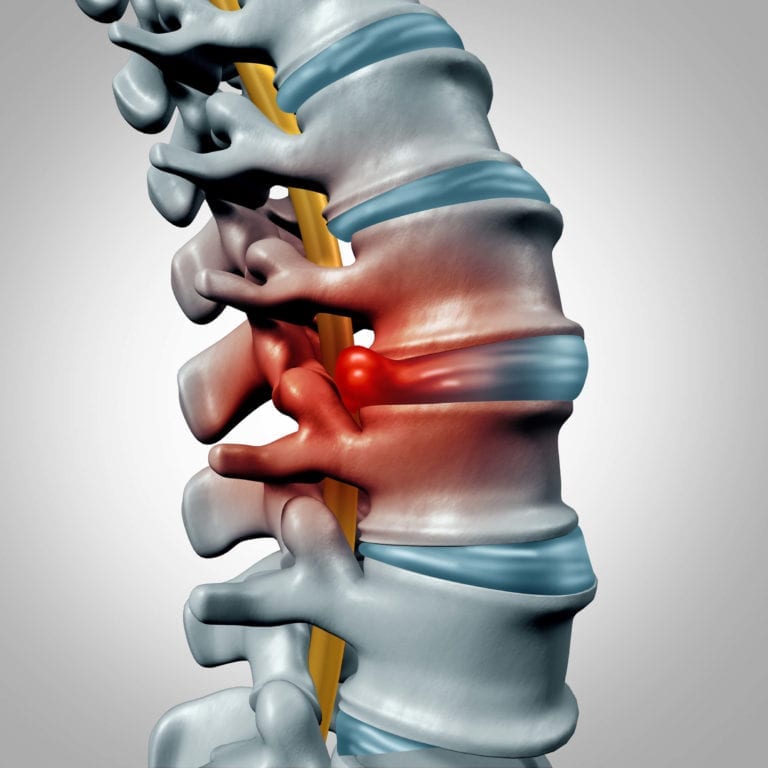
A pinched nerve occurs when pressure is being placed on a nerve by the bones, muscles, tendons, or cartilage surrounding the nerve. This pressure can lead to pain, numbness, and tingling radiating from the nerve. A pinched nerve can also cause a person to experience decreased motor function.
The neck or spine are the most common for pinched nerves to occur, but a pinched nerve can develop almost anywhere in the body. When a person does develop a pinched nerve in the back or neck, this can be particularly uncomfortable as pain is experienced not only in the back or neck, but also in the arms, buttocks, and legs as well.
Common Pinched Nerve Causes
As we have learned, a pinched nerve happens when too much pressure is being placed on a nerve causing pain, numbness, tingling, and weakness in the surrounding area. But what actually causes a pinched nerve?
Pinched nerves can be caused by a whole host of variables, from being compressed to irritation due to inflammation. Understanding the cause of a pinched nerve can be important, because it can help you determine the severity of your condition and whether or not you should consult with a doctor to address the issue.
One of the most common reasons for pinched nerves, especially in younger individuals, is injury. Injuries, particularly back or neck injuries, can cause bone, muscle, or tendon misalignment which may place pressure on nearby nerves. An injury can also lead to inflammation which may irritate nerves, causing pain.
While injury is often the most common pinched nerve causes, there are a number of other reasons radiculopathy may occur, such as:
- Arthritis: Arthritis is a condition that causes inflammation around the bones and joints, placing pressure on and irritating nerves, especially arthritis in the spine.
- A Herniated Disc: This occurs when a spinal disc is compressed, causing the soft core to bulge out between the spine and put pressure on the nerves there.
- Bone Spurs: Bones spurs are extra growths that develop on the bone. When this happens close to a nerve, it can compress the nerve, causing pain.
- Spinal Stenosis: A condition where the spinal column begins to narrow, causing pressure to be placed on the nerves in the spine.
- Infection: Infection is another condition that can cause inflammation within the spine. This may lead to irritated nerves in the area and pain.
- Spondylolisthesis: This is a spinal condition that causes a pinched nerve when a vertebra in the lower spine becomes dislodged.
- Tumor: If a tumor develops in the spine it can compress nearby nerves, causing pain, numbness, and tingling.
Risk Factors for a Pinched Nerve
While pinched nerve causes can range widely, certain people may have a higher risk for developing a pinched nerve. Risk factors for radiculopathy include:
- Aging: Due to the degeneration of spinal discs with age, we lose some of the cushion between vertebrae, increasing the risk of injuries, such as pinched nerves.
- Bad Posture: Pressure in the nerves of the back and neck is known to develop when people habitually practice bad posture while sitting or standing. Working to improve posture can help reduce the risk of a pinched nerve occurring.
- Obesity: Being overweight can also put you at higher risk for a pinched nerve. Excess weight places excess strain on the back, leading to pain.
- Pregnancy: Pregnant women have a higher risk for developing a pinched nerve, because of the extra strain placed on their spine from weight gain and water retention.
- Physical Fitness: Being in poor physical condition can also increase the risk of a pinched nerve as the core muscles that support the spine are weaker. Injury from engaging in physical activity is also more likely for individuals who are not physically fit.
- Scar Tissue: Scar tissue from a spinal surgery can increase the risk of nerve pain as it can affect the nerve root.
- Repetitive Actions: Certain professions or activities require the repetitive actions to be performed. Over time, the repetition of these actions creates wear and tear on the spine, increasing the risk for injury.
How to Prevent a Pinched Nerve
Unfortunately, there is no 100% guaranteed way to prevent a pinched nerve. The good news is, there are steps you can take to decrease your risk for developing a pinched nerve.
Exercise
One of the best methods for not only reducing your risk for radiculopathy, but also reducing your risk for a number of other health conditions is taking control of your physical fitness. Engaging in regular strength and flexibility exercises can help improve muscular strength and help stretch out nerves.
By strengthening core muscles, you improve the body’s ability to support your weight, taking pressure off the spine and back. Yoga can be a great exercise practice for improving strength and flexibility while decreasing the chance for injury.
Improving Body Posture
Body posture can play an important role in reducing the risk for a pinched nerve. Maintaining poor posture in the spine, especially for prolonged periods of time, can contribute to the development of a pinched nerve.
In order to prevent poor posture, begin to consciously think about your posture and work on keeping the back straight and spine aligned correctly. Also, try not to maintain the same position for too long without moving around. If your work requires sitting for long periods of time, try moving around periodically to ease the pressure in the spine.
Maintain a Healthy Weight
Being overweight or obese can be a primary cause for pinched nerves. By losing weight, you decrease the weight bearing down a nerve, in turn releasing the pressure there. As with improving your physical fitness, maintaining a healthy weight through diet and exercise decreases your risk for a number of serious health conditions.

