
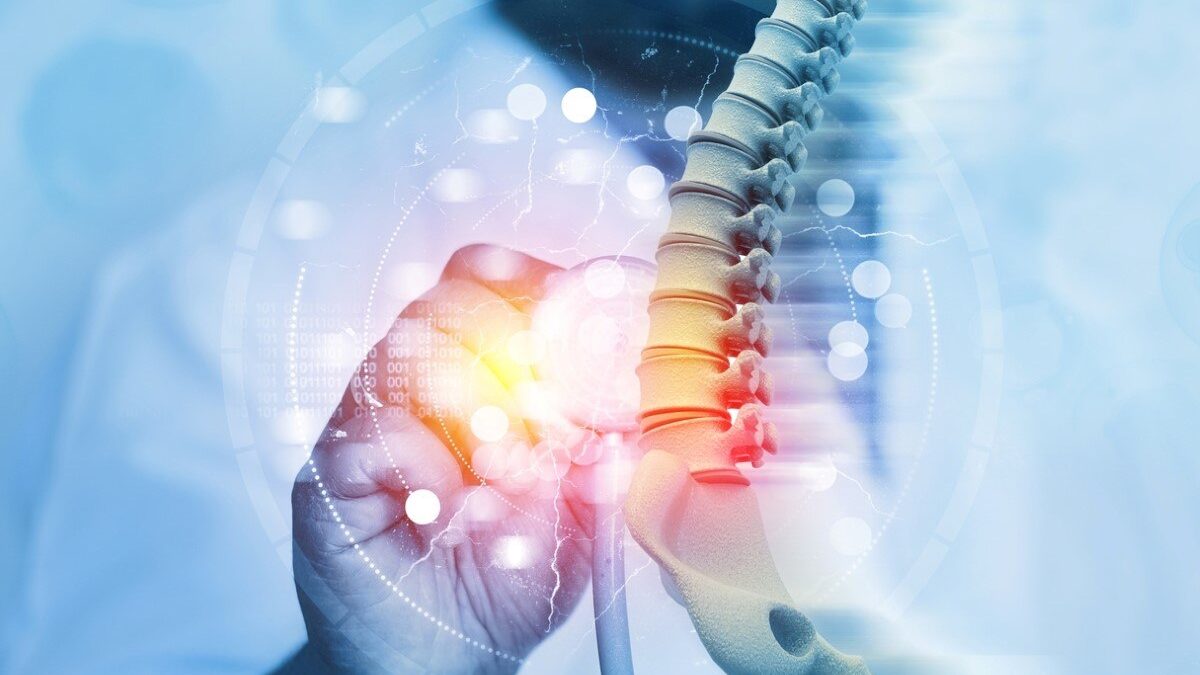
Advancements in neurosurgery have led to the emergence of minimally invasive techniques as a transformative solution for spinal conditions, including herniated discs, spinal stenosis, and degenerative spine disease. While traditional open spine surgeries remain effective, they are often associated with extended recovery periods, higher complication rates, and significant postoperative pain. Minimally invasive neurosurgery (MIS) offers a safer, more efficient, and innovative approach, delivering improved patient outcomes. At Florida Surgery Consultants, the team specializes in minimally invasive procedures that focus on reducing pain, enhancing recovery, and ensuring optimal results.
Understanding Minimally Invasive Neurosurgery
Minimally invasive neurosurgery is a specialized surgical approach that treats spinal conditions through small incisions and advanced tools such as microscopic cameras, endoscopes, and real-time imaging technologies. Unlike traditional open surgery, which requires large incisions and substantial tissue disruption to access the spine, MIS preserves surrounding muscles, ligaments, and nerves. This precision results in reduced trauma, faster recovery, and minimized postoperative discomfort. Common spinal conditions treated with minimally invasive neurosurgery include herniated discs, spinal stenosis, degenerative disc disease, and spondylolisthesis. Minimally invasive techniques directly address these issues, offering targeted treatments to relieve nerve compression, stabilize the spine, and restore function with minimal impact on surrounding tissues.
Key Benefits of Minimally Invasive Neurosurgery
Reduced Recovery Times
One of the most significant advantages of minimally invasive neurosurgery is its shorter recovery period. Traditional open spine surgeries often require extended hospital stays and prolonged healing due to large incisions and substantial muscle disruption. In contrast, MIS procedures allow patients to return home within the same day or 24 hours, depending on the complexity of the surgery. For example, procedures like herniated disc repair or lumbar decompression often allow patients to resume light activities within days, with full recovery achieved in four to six weeks. This accelerated recovery process minimizes downtime, enabling patients to return to their daily routines and responsibilities more quickly.
Lower Risk of Complications
Minimally invasive techniques significantly reduce the risk of surgical complications. Smaller incisions limit blood loss and minimize exposure to external contaminants, which lowers the risk of infection. Additionally, advanced tools and imaging technologies enhance surgical precision, reducing the likelihood of nerve damage or unnecessary tissue disruption. For patients with chronic conditions such as spinal stenosis, MIS provides predictable and safer outcomes, alleviating pain and restoring mobility without the heightened risks of traditional surgery.
Reduced Postoperative Pain
Postoperative pain is a primary concern for patients undergoing spinal surgery. Traditional open procedures often involve significant muscle and tissue trauma, resulting in prolonged discomfort. Minimally invasive neurosurgery reduces this trauma by preserving surrounding tissues and minimizing inflammation. From a pain management perspective, this approach is highly effective. Patients typically experience less discomfort in the days following surgery and may require only minimal pain relief, such as over-the-counter medications or short-term prescription painkillers. This reduced reliance on opioids also mitigates the risk of dependency and associated side effects.
Smaller Incisions and Minimal Scarring
The cosmetic benefits of MIS are another noteworthy advantage. Traditional open surgery requires large incisions, often resulting in significant scarring. In contrast, minimally invasive procedures use incisions as small as one to two centimeters, resulting in minimal scarring and improved cosmetic outcomes. This benefit is particularly appealing to younger patients and individuals concerned about visible surgical scars. Additionally, smaller incisions contribute to faster healing and reduced postoperative discomfort.
Improved Precision Through Advanced Technology
Minimally invasive neurosurgery relies heavily on technological advancements such as high-definition cameras, intraoperative navigation, and robotic-assisted systems. These tools enable neurosurgeons to visualize the surgical site with exceptional clarity and precision in real time. For example, endoscopic discectomy—a common MIS procedure for herniated discs—utilizes a small camera inserted through the incision to provide a magnified view of the spine. This enhanced visualization reduces the risk of complications and ensures optimal outcomes for patients.
Pain Management Through Minimally Invasive Techniques
Chronic back and neck pain are among the most common reasons patients seek spinal intervention. Effective pain management is central to achieving successful outcomes and improving overall quality of life. Minimally invasive neurosurgery directly addresses the root causes of pain while reducing the physical trauma associated with traditional surgical methods.
How MIS Techniques Alleviate Pain
- Nerve Decompression: Conditions like herniated discs and spinal stenosis often compress spinal nerves, causing radiating pain, numbness, and weakness. MIS procedures, such as microdiscectomy and laminectomy, relieve this pressure, eliminating the source of pain.
- Spinal Stabilization: In cases of degenerative disc disease or spondylolisthesis, minimally invasive spinal fusion stabilizes the spine using small implants or screws. This prevents abnormal movement and alleviates chronic pain.
- Reduced Inflammation: By minimizing tissue disruption, MIS techniques significantly reduce postoperative inflammation—a major contributor to pain.
Innovative Treatments at Florida Surgery Consultants
Florida Surgery Consultants remain at the forefront of minimally invasive spinal care, utilizing state-of-the-art technology to deliver exceptional outcomes. The team of board-certified neurosurgeons specializes in advanced procedures designed to address a variety of spinal conditions while prioritizing patient safety and comfort. Innovative treatments include endoscopic spine surgery, microsurgical decompression, and minimally invasive spinal fusion. Through a combination of advanced surgical techniques and comprehensive pain management strategies, Florida Surgery Consultants help patients achieve long-lasting relief and an improved quality of life.
Conclusion
Minimally invasive neurosurgery has redefined spinal care, offering safer, faster, and more effective treatment for conditions such as herniated discs, spinal stenosis, and degenerative spine disease. With reduced recovery times, lower risks of complications, and improved pain management, these techniques provide a superior alternative to traditional open surgery. At Florida Surgery Consultants, a commitment to cutting-edge technology and patient-centered care ensures that individuals receive the highest standard of treatment. By addressing the underlying causes of pain and minimizing surgical trauma, minimally invasive procedures empower patients to regain their mobility, comfort, and quality of life. For individuals experiencing chronic back or neck pain, Florida Surgery Consultants offer expert guidance and innovative solutions. Contact the team today to learn more about how minimally invasive neurosurgery can provide a path to lasting relief and recovery.