
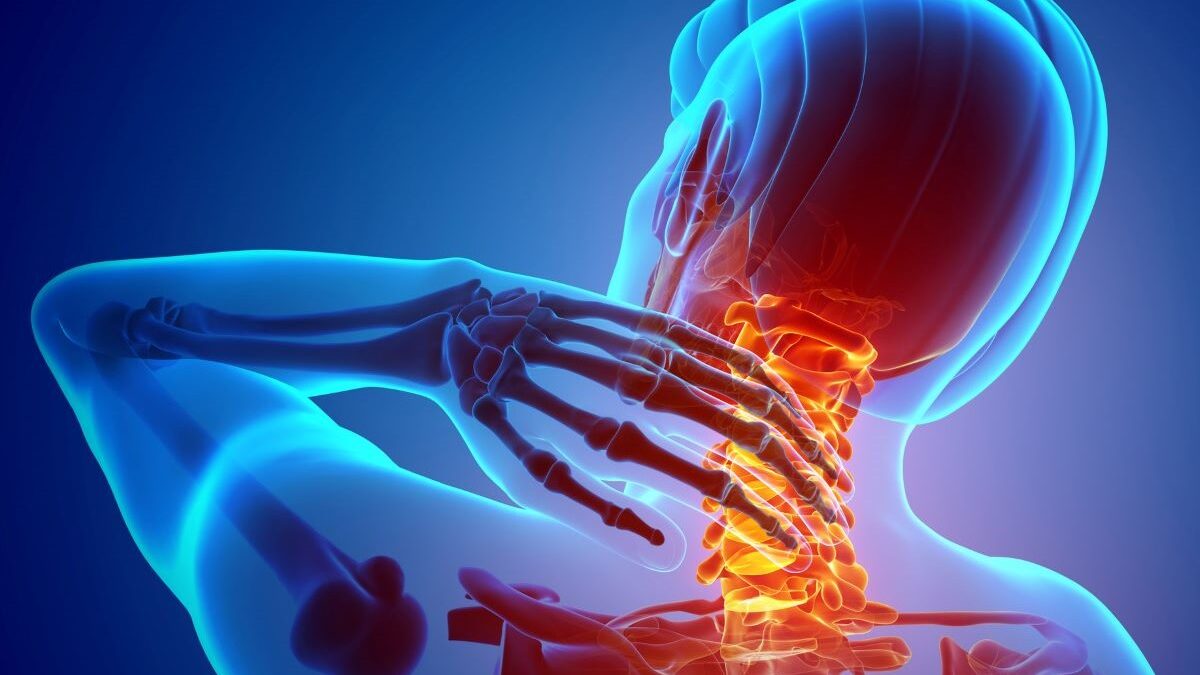
Neck and upper limb pain is a common issue that affects millions, impacting comfort and quality of life. According to recent research from the American Journal of Epidemiology, as well as a CDC National Health Statistics Report, understanding pain prevalence, risk factors, and common misconceptions can help individuals make informed decisions about prevention and management.
Key Findings on the Prevalence of Neck and Upper Limb Pain
- Widespread Pain Prevalence: The CDC report reveals that approximately 20.5% of adults in the U.S. experience chronic pain, with conditions like neck and upper limb pain being particularly common. This aligns with findings from the American Journal of Epidemiology, which noted that 34% of individuals in their study sample reported neck or upper limb pain over the past year.
- Work and Lifestyle Factors: Both studies highlighted occupational and lifestyle factors as major contributors to pain. Physical labor, repetitive movements, and prolonged desk work are associated with higher rates of neck and limb pain. Additionally, the CDC report emphasizes that adults who work in certain industries, including healthcare, construction, and manufacturing, report higher pain prevalence due to physical strain.
- Psychological and Social Influences: The CDC report shows that adults who experience higher levels of psychological stress report greater pain severity. The American Journal of Epidemiology study also found that mental stress plays a role in neck and upper limb discomfort, indicating that pain management should consider both physical and mental health.
Common Risk Factors for Neck and Upper Limb Pain
Based on the findings from both reports, here are several risk factors contributing to neck and upper limb pain:
- Repetitive Movements: Frequent, repetitive actions—such as typing, lifting, or operating machinery—create strain, particularly in the neck, arms, and shoulders.
- Poor Posture: Spending prolonged periods in awkward postures, especially hunched over a computer or smartphone, can strain neck and upper limb muscles and joints.
- Chronic Stress: Both studies highlight the role of stress, showing how chronic psychological strain can lead to increased muscle tension and, subsequently, pain.
- Age and Gender: Neck and upper limb pain are more common among older adults and females, who may experience pain due to a combination of physiological factors and lifestyle.
Myths About Neck and Upper Limb Pain
Understanding the truth behind common myths about pain can lead to better pain management. Here are a few myths that both the CDC and American Journal of Epidemiology findings help dispel:
- Myth 1: Rest is always best for neck pain.
- Reality: While rest can offer immediate relief, prolonged inactivity can weaken muscles, worsening pain over time. Gentle movement and strengthening exercises are often more beneficial for recovery.
- Myth 2: Exercise will make neck and arm pain worse.
- Reality: When done correctly, exercise helps alleviate pain by strengthening muscles and improving flexibility. Low-impact activities like swimming, yoga, and stretching are recommended for those with neck and upper limb pain.
- Myth 3: Poor posture alone causes neck pain.
- Reality: While posture is a factor, pain can stem from multiple sources, including stress, repetitive motion, and even hydration levels. Addressing the full range of causes often leads to more effective pain management.
- Myth 4: All pain requires medical treatment.
- Reality: Many cases of neck and upper limb pain can be managed with simple lifestyle adjustments, ergonomic corrections, and home care. Medical treatment is necessary in some cases, but conservative measures are often effective.
- Myth 5: Pain is purely physical.
- Reality: The CDC’s findings on mental stress and pain reveal that psychological factors significantly influence physical pain. Managing stress is crucial for a holistic approach to pain relief.
Prevention Tips for Neck and Upper Limb Pain
Considering the prevalence and risk factors highlighted in these studies, here are strategies to help prevent neck and upper limb pain:
- Ergonomic Adjustments: Set up a workspace that supports healthy posture. Position screens at eye level, use supportive chairs, and take regular breaks to stretch.
- Routine Stretching and Breaks: If you work at a desk or perform repetitive movements, take short breaks every hour to move, stretch, and relieve tension.
- Strengthening Exercises: Include exercises that strengthen your core, back, and shoulders to improve muscle support. Activities like pilates, swimming, and yoga promote flexibility and resilience in muscles and joints.
- Stress Management: Since both studies highlight the connection between stress and physical pain, consider incorporating stress-relieving practices like meditation, deep breathing, or mindfulness. Mental well-being can positively impact physical health.
- Stay Hydrated: Keeping hydrated is essential for joint health and spinal disc integrity, reducing the risk of dehydration-related pain.
When to Seek Medical Attention
While many cases of neck and upper limb pain can be managed at home, it’s essential to consult a healthcare provider if your pain is severe, lasts for several weeks, or is accompanied by symptoms like numbness, tingling, or weakness.
Final Thoughts
With chronic pain affecting a significant portion of the population, understanding neck and upper limb pain—and the myths surrounding it—can empower individuals to take control of their well-being. By addressing both physical and psychological factors, making ergonomic adjustments, and incorporating movement and stress management into daily routines, people can reduce their pain risk and improve quality of life.
These studies emphasize a holistic approach to managing neck and upper limb pain. Recognizing the interplay between mental and physical health allows for a balanced, effective approach to long-term well-being.