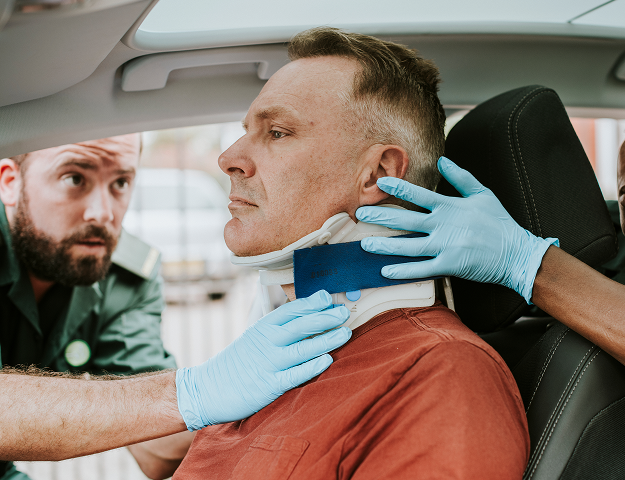

At the Scene: Safety and Documentation
For all other situations, take these steps before leaving the scene:
- Call law enforcement to create an official crash report. Florida law requires reporting any crash involving injury, death, or property damage over $500.
- Exchange driver and insurance information
- Collect witness contact details
- Note the police report number
- Photograph vehicles, road conditions, and any visible injuries
Keep in mind: Vehicle damage does not always reflect injury severity. Moderate rear-end impacts routinely strain the neck and lower back even when bumper damage appears minimal. The police report and scene documentation often become important if symptoms develop later. Take more photos than you think you need.
Why You Might Feel Fine at First
Here is why:
- During a crash, your body releases adrenaline, which temporarily reduces pain perception

- Once adrenaline fades, inflammation builds. Swelling increases. Muscles tighten to protect strained areas.
- Pain commonly develops or worsens 24 to 72 hours after the crash

Symptoms that commonly develop within 72 hours:
- Neck stiffness
- Headaches, especially at the base of the skull
- Mid or low back pain
- Shoulder discomfort
- Numbness or tingling in arms or legs
- Sleep disruption
When Symptoms Need More Than Rest
Specialist evaluation is appropriate when:
- Pain increases rather than decreases over the first week
- Symptoms spread (for example, back pain that now includes leg tingling)
- Headaches worsen or become persistent
- Numbness, weakness, or shooting pain develops
- Daily activities, work, or sleep are affected
Early evaluation establishes symptom timing, objective findings, and a monitoring plan. This is not escalation. It is clarity. Most crash-related injuries respond well to structured care when addressed early. Waiting until pain becomes severe often complicates both the clinical picture and the documentation trail. Learn more about what to expect at a car accident doctor appointment in Florida.
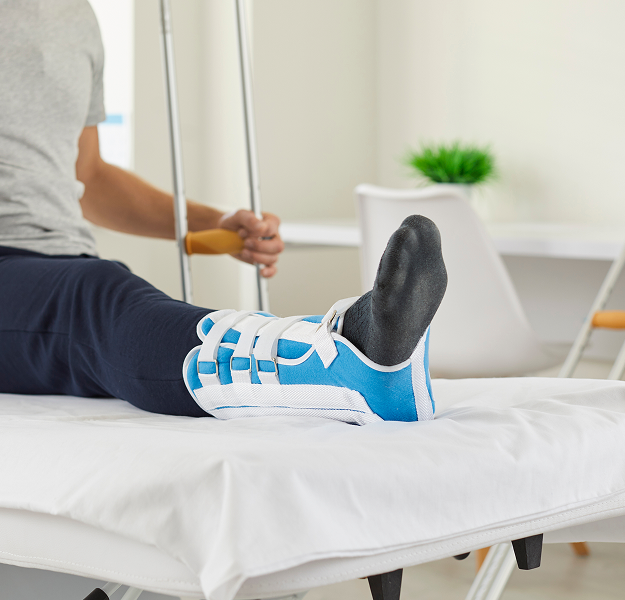
Why Documentation Matters After a Crash
- When medical care began relative to the crash
- Exchange driver and insurance information
- Collect witness contact details
- Note the police report number
- Photograph vehicles, road conditions, and any visible injuries
Florida Surgery Consultants creates thorough documentation from the first visit, including symptom history, examination findings, and treatment plans. Clear, structured records make claim evaluation smoother for everyone involved. Gaps in care or inconsistent reporting are the most common issues that complicate the process.
How Insurance Works After a Crash in Florida

Car Accidents in Florida
- PIP covers up to $10,000 in medical expenses and lost wages, regardless of fault
- The 14-day rule: You must seek initial medical treatment within 14 days of the accident for PIP benefits to apply. If you wait longer than 14 days, your PIP carrier can deny coverage entirely.
- Emergency Medical Condition (EMC): To access the full $10,000 in PIP benefits, a qualifying medical provider (MD or DO) must determine that you have an emergency medical condition. Without an EMC determination, PIP benefits may be capped at $2,500.
- Serious injury threshold: Florida restricts your ability to sue the at-fault driver for pain and suffering unless your injuries meet a serious injury threshold, such as permanent injury, significant scarring, or significant loss of bodily function.
- Two-year statute of limitations: Personal injury claims in Florida generally must be filed within two years.
- Modified comparative negligence (51% bar): If you are found to be 51% or more at fault, you cannot recover damages from the other driver.
This section is general information, not legal advice. Consult a qualified attorney for guidance specific to your situation.
Take the Next Step
- No referral required
- Same-week appointments available for crash-related injuries
- Board-certified neurosurgeons, orthopedic surgeon, and pain management specialist under one roof