
Back pain is one of the most common health complaints in the United States, and two of the leading causes are herniated discs and spinal stenosis. While both conditions affect the spine and can cause similar symptoms, they are quite different in how they develop, progress, and are treated. Understanding the differences between these conditions can help you be an advocate for yourself, your care and know when it’s time to seek medical attention.
At Florida Surgery Consultants, we treat a wide range of spinal disorders using the latest technology and minimally invasive techniques. In this post, we break down the key differences and similarities between herniated discs and spinal stenosis to help you better understand what may be behind your pain.
What Is a Herniated Disc?
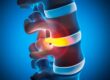
The spine is made up of individual bones called vertebrae. Between each vertebra sits a soft, gel-like cushion known as an intervertebral disc. These discs act as shock absorbers, helping the spine move and bend smoothly. A herniated disc occurs when the outer layer of the disc (the annulus) becomes weakened or damaged and the inner material (the nucleus pulposus) pushes through.
This protrusion can irritate nearby spinal nerves, leading to pain, numbness, or weakness. A herniated disc is sometimes called a slipped or ruptured disc, though the disc itself doesn’t actually “slip” out of place, it just bulges or breaks open.
What Is Spinal Stenosis?
Spinal stenosis is a condition where the spaces within the spine become narrowed, putting pressure on the spinal cord and surrounding nerves. It most commonly occurs in the lower back (lumbar stenosis) or neck (cervical stenosis). The narrowing can be caused by a number of factors, including arthritis, thickened ligaments, herniated discs, or bone spurs.
Spinal stenosis tends to develop gradually over time, especially in older adults when bones lose density. As the spinal canal narrows, it can compress the nerves, leading to pain, tingling, and sometimes difficulty with walking or coordination.
Symptoms: How Do They Compare?
Both conditions affect the spinal nerves, which is why their symptoms can be similar. There are some differences in how these symptoms present.
Herniated Disc Symptoms:
- Localized pain in the neck or lower back
- Radiating pain down the arm or leg (sciatica)
- Numbness or tingling in extremities
- Muscle weakness
- Pain that worsens with bending, twisting, or sitting
Spinal Stenosis Symptoms:
- Pain or cramping in the legs, especially when walking
- Numbness or tingling in the arms or legs
- Weakness in limbs
- Balance problems or unsteady walking
- Pain that improves when bending forward or sitting down
A key difference is that herniated disc pain is often sharp and sudden, typically brought on by a specific movement or injury. In contrast, spinal stenosis tends to cause more gradual, activity-related discomfort.
Causes and Risk Factors
Understanding what leads to these conditions can help with prevention and early detection.
Herniated Disc Causes:
- Age-related disc degeneration
- Heavy lifting or sudden twisting
- Repetitive strain or poor posture
- Trauma or injury to the spine
Spinal Stenosis Causes:
- Age-related wear and tear
- Arthritis, particularly osteoarthritis
- Thickened spinal ligaments
- Bone overgrowth or spurs
- Previous spine injuries or surgeries
Herniated discs are more common in younger to middle-aged adults, especially those with physically demanding jobs or active lifestyles. Spinal stenosis, on the other hand, is typically seen in individuals over the age of 50.
Diagnosis: What to Expect
If you’re experiencing persistent back pain, numbness, or weakness, it’s important to see a spine specialist. Diagnosing a spinal condition usually starts with a detailed medical history and physical exam.
Depending on your symptoms, your provider may recommend imaging tests such as:
- X-rays to assess bone alignment and narrowing of the spinal canal
- MRI to detect soft tissue problems like disc herniation or nerve compression
- CT scans for a detailed look at bone structures
- Electromyography (EMG) to assess nerve function
At Florida Surgery Consultants, we also use advanced imaging tools to pinpoint the exact location and cause of your symptoms so we can tailor your treatment plan.
Treatment Options
The good news is that both herniated discs and spinal stenosis can often be managed with conservative (non-surgical) treatments. When these don’t provide relief, minimally invasive procedures may be considered.
Non-Surgical Treatments for Both Conditions:
- Physical therapy to improve strength and flexibility
- Nonsteroidal anti-inflammatory drugs (NSAIDs) for pain relief, but be conscious of any adverse effects.
- Epidural steroid injections to reduce inflammation, 2-4 times a year.
- Activity modifications and posture training
Minimally Invasive and Surgical Options:
For herniated discs, treatments may include:
- Microdiscectomy: A minimally invasive procedure to remove the herniated portion of the disc
- DISCSEEL® Procedure: A non-surgical option to seal and heal torn discs using a fibrin injection
For spinal stenosis, options include:
- Laminectomy: Removal of part of the vertebra to create more space in the spinal canal
- CoFlex® implant: A minimally invasive device that stabilizes the spine after decompression
- Spinal fusion (in more severe cases): Fusing two or more vertebrae to reduce motion and pain
Florida Surgery Consultants offers a range of these procedures with a focus on minimally invasive techniques, which means smaller incisions, shorter recovery times, and reduced risk of complications.
Prognosis and Long-Term Outlook
With appropriate treatment, many patients with herniated discs or spinal stenosis experience significant symptom relief and a return to normal activity. Recovery depends on several factors, including the severity of the condition, your overall health, and whether surgery was required.
In cases of a herniated disc, many patients improve within a few weeks with conservative care. For spinal stenosis, symptom progression tends to be slower, and some people may live with mild symptoms for years before requiring intervention.
When to See a Specialist
Not all back pain is a cause for concern, but if your symptoms persist longer than a few weeks, or if you’re experiencing numbness, weakness, or difficulty walking, it’s time to see a spine specialist.
At Florida Surgery Consultants, we understand how frustrating it is to live with chronic pain or physical limitations. Our team takes a personalized approach to each patient, offering both advanced diagnostics and evidence-based treatment options. Whether you’re dealing with a herniated disc, spinal stenosis, or aren’t sure what’s behind your symptoms, we’re here to help you find answers and relief.
If you’re experiencing back pain, numbness, or weakness, schedule a consultation with our team today. We’ll help you get the answers you need and explore the best treatment options for long-term relief.