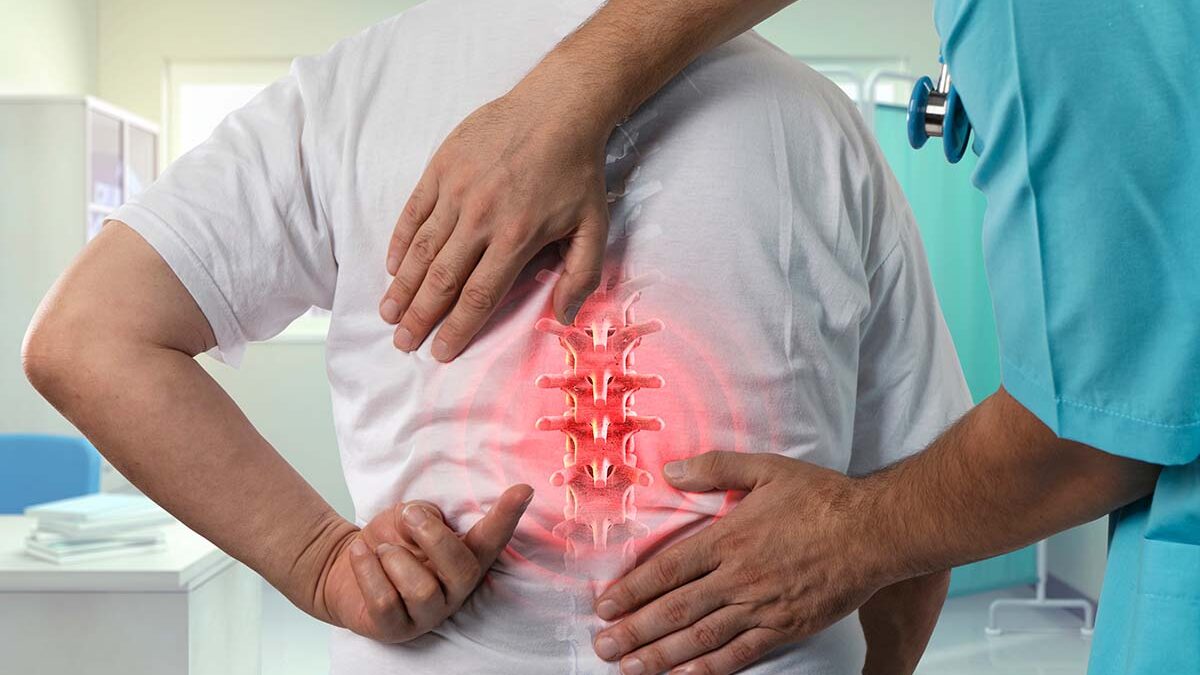
The human spine is a wonderful and complex structure composed of a multitude of soft tissues and bones that act as shock absorbers and enable us to perform a wide range of movement. When injury to the connective ligament ring of an intervertebral disc causes the tissue to be torn it is known as an annular tear.
Often, an annular tear is able to heal without the need for surgical intervention. However, some cases may require a surgical approach, such as a microdiscectomy. Here is what you need to know about microdiscectomy and annular tear surgery recovery time.
What Is an Annular Tear?
In order to act as effective shock absorbers, the human spine is composed of interlocking bones known as vertebrae with intervertebral discs between them. These discs consist of a soft, gel-like center called the nucleus pulposus and a hard outer ring of ligament fibers termed the annulus fibrosus. The components of an intervertebral disc act as a cushion between the vertebrae, absorbing shock and preventing the bones of the spine from rubbing together.
However, spinal discs are susceptible to injury from a number of causes, such as:
- Trauma
- Aging
- Degenerative disc disease
- Osteoarthritis
- Muscular strain
- Repetitive movement
- High-impact falls
When a disc is damaged and causes the ligaments of the annulus fibrosus to tear, this is known as an annular tear. On its own, an annular tear can cause mild to severe pain. However, an annular tear can worsen allowing the soft nucleus of the disc to rupture and push through the tear. This is known as a herniated disc and can put pressure on the nerves of the spinal column, causing pain, numbness, tingling, and weakness in the back, neck, arms, and legs.
An annular tear most commonly occurs in the neck or the lumbar (lower) spine. However, any portion of the spine has the potential to suffer an annular tear. When an annular tear does occur, it can damage the nerves within the annulus fibrosis causing pain and discomfort. The degree of pain felt can depend on the severity of the tear.
If you feel you have suffered an annular tear or a herniated disc, be sure to see a doctor immediately. Addressing the issue quickly can help prevent further injury.
Treatment Options for an Annular Tear
When dealing with an annular tear it is always important to listen to the instructions of your doctor and follow their recommended course of treatment. Some annular tear injuries may be able to heal on their own with time or can be improved through non-surgical treatment options including:
- Pain medication
- Physical therapy
- Epidural injections
- Non-impact exercise
When to Consider Annular Tear Surgery
For most annular tear cases, doctors will recommend attempting noninvasive treatment options before ever considering surgery. However, if your pain is still severe and non-surgical treatments have failed to provide significant relief, it may be time to discuss surgical treatment.
The surgical procedure used to treat an annular tear is known as a discectomy. A discectomy involves making a surgical incision in the back to access the spine and remove the protruding portions of the disc that are causing pain. Surgeons use three main ways of performing a discectomy:
- Conventional Discectomy: A conventional or open discectomy involves making a large incision in the back, allowing a clear view and access to the spine. Some back muscle and ligaments may be removed in the process.
- Microdiscectomy: Neurosurgeons perform a microdiscectomy using specialized surgical tools to make a small incision in the back and gain access to the spine. With the help of a tiny camera, the damaged portions of the disc are removed.
- Laser Discectomy: A relatively newer procedure, a laser discectomy utilizes a laser inserted through a needle to burn away the bulging disc tissue without the need for an incision.
The highly trained neurosurgeons at Florida Surgery Consultants specialize in performing microdiscectomies for patients suffering from a severe annular tear or herniated disc. A microdiscectomy is a minimally invasive procedure that offers a lower annular tear surgery recovery time.
Microdiscectomy Recovery Time
The important thing to remember with annular tear surgery recovery time is that it can differ for every patient. Each person is a unique individual and recovery times may be longer for some patients than they are for others. However, being proactive about your recovery and preparing yourself mentally and physically can help you speed up your recovery.
Fortunately, patients who have undergone a microdiscectomy can expect a relatively faster annular tear surgery recovery time compared to those who undergo a conventional discectomy. No muscles or bones are removed from the back and spine during a microdiscectomy and the body has less damage to recover from.
Some patients may experience immediate relief from pain, or relief may come over the course of a couple days or weeks. You can expect to feel some level of stiffness and soreness in your back directly after surgery, but that should fade away quickly.
Standing or sitting in one position for a long period of time may cause you discomfort for a few weeks after surgery, but moving or adjusting your position frequently can help with this. Your surgeon may prescribe you pain medication to help with pain management as you are recovering from surgery. Most patients should expect recovery to take up to 8 weeks before they are able to resume their usual activities.
Improving Your Recovery Time at Home
Fortunately, annular tear surgery recovery time is relatively short compared to other spine surgeries. However, you can help speed up your recovery at home through diet, exercise, and care for your incision.
Diet
It should come as no surprise that your diet can have a significant impact on your recovery and overall health. Getting the appropriate nutrients into your body is crucial to your ability to heal from injuries. Key among these is water. It is very important to drink plenty of water and remain hydrated as you recover.
Some patients may struggle with an upset stomach after surgery. Consuming healthy, bland food can help with this. Try to stick to low-fat foods, such as plain rice, chicken, toast, and yogurt.
If you are struggling with constipation following surgery, taking a fiber supplement can help improve bowel function. If your constipation is severe, speak with your doctor about taking a mild laxative.
Exercise
Before leaving the outpatient center, your surgeon or a physical therapist will provide you with some exercises you can perform at home that will help improve strength and flexibility. Make sure to perform these exercises regularly in accordance with your doctor’s instructions.
Activity
After getting home from the outpatient center, it is important to know what activities you should and should not perform. Most importantly make sure to rest when you feel tired. Overexerting yourself can worsen your injury and may slow down your annular tear surgery recovery time.
Walking is a great way to stay active without straining your body. Start by going on brief walks and increasing the length of your walks as you start to feel stronger. This can help promote blood flow in the body and prevent pneumonia and constipation.
Make sure to avoid lifting any objects over 5 pounds. This can unnecessarily strain your back and injure you even further. This also means avoiding exercise that involves heavy lifting. You should also avoid any extraneous exercise, such as biking, swimming, or running.
If you notice that standing or sitting in the same position for a long period of time is causing you discomfort, try to move or change positions every 30 minutes. You should also avoid long car rides or take frequent stops to stretch your legs if you must take a long drive.
Sex can be resumed once you feel you are physically able to, but you should avoid any positions that place strain on your back. Depending on your work, you may be able to return to work quickly, but you should check with your doctor before doing so.
Incision Care
Taking good care of your incision following a microdiscectomy is very important to your recovery. Surgical incisions run the risk of reopening or becoming infected if not cared for. If your surgeon left surgical tape over your incision, it should be left on for the first week after surgery unless it falls off on its own.
The incision should be washed daily using warm water and soap. Be sure to pat the area dry. Avoid cleaning the wound with alcohol or hydrogen peroxide as this can slow the healing process.
If your incision is bleeding or weeping, use a sterile gauze bandage to keep the area covered. Be sure to change the bandage daily and keep the incision clean and dry.
Pain Medication
Your doctor may prescribe you pain medication to help deal with your pain until you fully recover or recommend over-the-counter pain medicine. Be sure to follow your doctor’s directions exactly in regards to dosage and use.
Speak With a Neurosurgeon Today!
If you are suffering from an annular tear or a herniated disc, a microdiscectomy could help you manage your pain and get back to performing the daily activities you enjoy. Don’t let an annular tear prevent you from living a healthy and active life. Speak with a neurosurgeon today about back pain treatment options.
The board-certified neurosurgeons at Florida Surgery Consultants have years of experience diagnosing and treating patients with annular tears or herniated discs. Give us a call today at 833-50-PAINFREE or fill out the form on the right side of this page and get the pain relief you deserve.