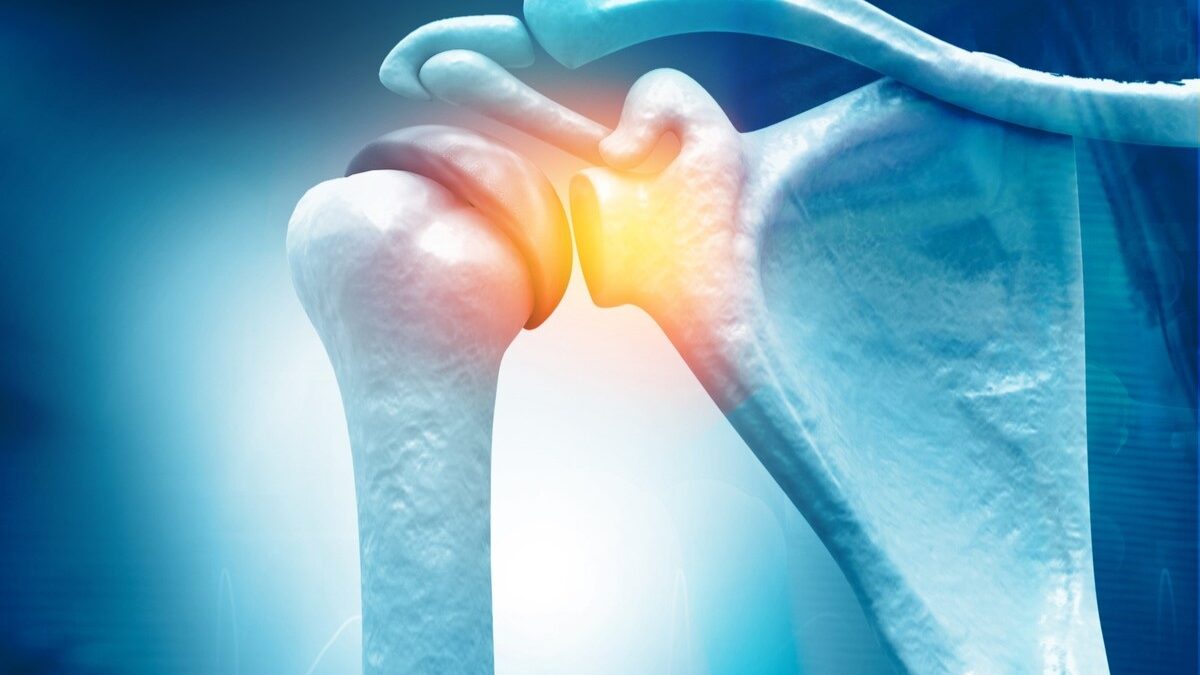
The rotator cuff is a group of four muscles and tendons that stabilize the shoulder joint and allow for a wide range of motion. When one or more of these tendons are torn, the result can be pain, weakness, and limited function. Rotator cuff tears are common, particularly in people over 40 or in athletes and workers who perform repetitive overhead motions.
While some tears can be managed with conservative treatments, others may require surgical repair to restore strength and mobility. Understanding the types of rotator cuff injuries, the signs that surgery may be necessary, and what to expect from the surgical process can help you make informed decisions about your care.
Types of Rotator Cuff Injuries
Rotator cuff problems occur along a spectrum, ranging from irritation to complete tendon tears. Common injuries include:
- Tendonitis: Inflammation of the tendons, often caused by repetitive use or strain.
- Partial-thickness tears: The tendon is damaged but not completely detached from the bone.
- Full-thickness (complete) tears: The tendon fully separates from the bone, leaving the shoulder weak and unstable.
- Degenerative tears: Often seen in older adults, these tears develop gradually from wear and tear.
- Acute traumatic tears: Resulting from sudden injury, such as a fall, heavy lift, or direct blow.
The severity of the tear and the symptoms it causes are key factors in determining whether surgery is necessary. For some patients, related shoulder issues such as shoulder bursitis may also be present.
Signs You May Need Surgery
Not all rotator cuff tears require surgical repair. Many patients improve with nonsurgical treatments such as physical therapy, anti-inflammatory medications, and corticosteroid injections. However, surgery may be recommended if:
- Persistent pain continues despite several months of conservative treatment.
- Shoulder weakness makes it difficult to lift the arm or perform daily tasks.
- Loss of function interferes with work, sports, or basic activities like dressing or reaching overhead.
- Tears caused by trauma are significant and unlikely to heal on their own.
- The tear is large or worsening, especially if accompanied by other shoulder problems such as arthritis.
Younger, more active patients are often advised to consider surgery sooner, as delaying repair can lead to tendon retraction and muscle degeneration, making the tear more difficult to repair. Delaying treatment for large or traumatic tears may reduce the chance of a full recovery and increase the risk of permanent weakness.
Preparing for Rotator Cuff Surgery
Before surgery, your orthopedic surgeon will order imaging tests such as an MRI to evaluate the extent of the tear. You will also review your medical history, medications, and overall health to ensure you are ready for the procedure.
Preparation may include:
- Stopping certain medications (such as blood thinners) before surgery.
- Planning for help at home during the first days of recovery.
- Arranging time off from work or sports, depending on your activity level.
Patients who have undergone previous pain management treatments may also review their history with the surgical team to ensure coordinated care.
Arthroscopic Rotator Cuff Repair
At Florida Surgery Consultants, rotator cuff tears are commonly treated with arthroscopic surgery. This minimally invasive approach uses small incisions, a camera (arthroscope), and specialized instruments to repair the torn tendon.
What to Expect During the Procedure
The surgeon inserts an arthroscope into the shoulder joint to view it. Torn tendons are identified and prepared for reattachment. Sutures and small anchors are used to secure the tendon back to the bone. The procedure typically takes one to two hours, depending on the complexity of the tear.
Arthroscopic repair offers the advantages of smaller incisions, less soft-tissue damage, and generally a quicker recovery compared to traditional open surgery. However, some severe or complex tears may still require open surgery or a combination approach, similar to other advanced procedures such as orthopedic surgery for joint or tendon reconstruction.
Recovery After Surgery
Recovery is gradual and requires patience, as tendon-to-bone healing takes time. A typical recovery timeline may include:
- First few weeks: Wearing a sling to protect the shoulder and limit movement.
- Weeks 4–6: Beginning passive range-of-motion exercises with the help of a therapist.
- Weeks 8–12: Progressing to active motion and gentle strengthening exercises.
- Months 4–6: Building back strength and function with advanced physical therapy.
- 6 months and beyond: Returning to sports, heavy lifting, or demanding physical activity once cleared by your surgeon.
Most patients experience significant pain relief and improved function, though recovery can vary based on age, tear size, and commitment to rehabilitation. For some, recovery may overlap with managing related shoulder conditions such as chronic shoulder pain.
Risks and Considerations
While rotator cuff surgery is generally safe and effective, it carries some risks, including infection, stiffness, incomplete healing, or re-tearing of the tendon. Working closely with your surgical team, following post-operative instructions, and committing to rehabilitation all help maximize your outcome.
Patients with additional spine or nerve-related symptoms may also benefit from evaluation through FSC’s neurosurgery services to ensure a comprehensive care plan.
The Bottom Line
Rotator cuff tears are a common source of shoulder pain and dysfunction. Many patients improve with conservative treatment, but surgery may be the best option if pain and weakness persist or if the tear is severe.
If shoulder pain is limiting your daily life and you suspect a rotator cuff tear, schedule a consultation with Florida Surgery Consultants. Our team can evaluate your condition and help determine whether surgery is the right step for your recovery. You may also benefit from exploring FSC’s specialized orthopedic surgery and interventional pain management services for complete care.