
Back pain is one of the leading causes of missed work and reduced quality of life. Because so many different spinal conditions can cause similar symptoms, recognizing the early warning signs is key to getting the right treatment. Some problems are temporary and improve with rest, while others may require specialized care from a spine specialist. Understanding what to watch for can help you seek help sooner and prevent long-term complications.
Why Early Recognition Matters
Many back conditions start small, like an occasional twinge of pain, stiffness after sitting too long, or discomfort that comes and goes. Over time, however, these symptoms can progress into chronic pain or permanent nerve damage if left untreated. If back pain is accompanied by numbness, tingling, or weakness in the legs, seek evaluation sooner rather than later.
The earlier you address back issues, the more likely conservative treatments like physical therapy, injections, or minimally invasive procedures can provide relief. For most back pain, early use of physical therapy, stretching, or other pain relief options are recommended before considering more advanced methods.
Bulging and Herniated Discs
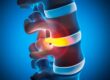
What it is: Spinal discs are cushions between the vertebrae that act as shock absorbers. A bulging disc occurs when the outer layer (annulus) weakens and protrudes outward. If the disc’s outer layer tears and the inner disc material (nucleus) leaks through, it becomes a herniated disc.
Symptoms to watch for:
- Localized back pain that worsens with movement
- Numbness or tingling in the legs or arms
- Shooting pain that travels down one side of the body (sciatica)
- Muscle weakness
When to see a doctor: If symptoms last longer than a couple of weeks, worsen with activity, or include weakness or significant numbness, it’s time for evaluation.
Prevention tip: Use proper lifting form. Bend your knees, keep your back straight, and do not twist your spine when picking things up.
Arthritis of the Spine
What it is: Like arthritis in other joints, spinal arthritis involves inflammation and degeneration of the joints between the vertebrae. Osteoarthritis is the most common type affecting the spine and is often linked to facet syndrome.
Symptoms to watch for:
- Persistent stiffness, especially in the morning
- Chronic pain that worsens with activity
- Reduced flexibility in the back or neck
- Possible nerve compression causing radiating pain
When to see a doctor: If pain and stiffness interfere with daily activities, or if over-the-counter medication no longer provides relief, medical evaluation is important.
Spinal Stenosis
What it is: Spinal stenosis occurs when the spinal canal narrows, putting pressure on the spinal cord or nerve roots. This condition is most often caused by arthritis and natural aging changes in the spine.
Symptoms to watch for:
- Pain or cramping in the legs when standing or walking
- Numbness or weakness in the legs or arms
- Balance problems
- Relief when sitting or leaning forward
When to see a doctor: Spinal stenosis tends to worsen over time. If you notice difficulty walking distances, frequent numbness, or reduced balance, consult a spine specialist.
Osteoporosis and Compression Fractures
What it is: Osteoporosis weakens bones, making them brittle and more prone to fractures. In the spine, this can cause vertebrae to collapse, known as compression fractures.
Symptoms to watch for:
- Sudden, severe back pain after minor stress or movement
- Height loss over time
- Stooped posture
- Limited mobility due to pain
When to see a doctor: Any sudden onset of severe pain in the back should be evaluated right away, especially for adults over 50 or those with known bone health issues.
Scoliosis and Spinal Curvature Disorders
What it is: Scoliosis is an abnormal sideways curvature of the spine. While it often develops in adolescence, it can also affect adults. Other curvature disorders include kyphosis (hunched back) and lordosis (excessive inward curve).
Symptoms to watch for:
- Uneven shoulders or hips
- Visible abnormal spinal curve
- Back pain or stiffness
- Difficulty standing straight
When to see a doctor: Mild scoliosis may not require treatment, but curves that worsen or cause pain should be evaluated by a spine specialist.
Red Flags That Shouldn’t Be Ignored
While many types of back pain improve with conservative care, there are certain symptoms that need immediate attention. Seek emergency medical care if you experience:
- Loss of bladder or bowel control
- Severe or sudden weakness in the legs
- Pain following a traumatic injury
- Fever, unexplained weight loss, or history of cancer with new back pain
These may indicate serious conditions that require urgent intervention.
Getting Help for Back Pain
Recognizing early signs of back problems is the first step toward protecting your long-term spinal health. From disc issues to spinal stenosis and arthritis, Florida Surgery Consultants offers advanced diagnostics, interventional pain procedures, and surgical expertise when necessary. For patients who may be candidates for minimally invasive options, the DISCSEEL® Procedure may be an option depending on the source of pain.
If back pain is limiting your life, don’t wait until symptoms worsen. Schedule an appointment with Florida Surgery Consultants to discuss your options and take the first step toward lasting relief.