
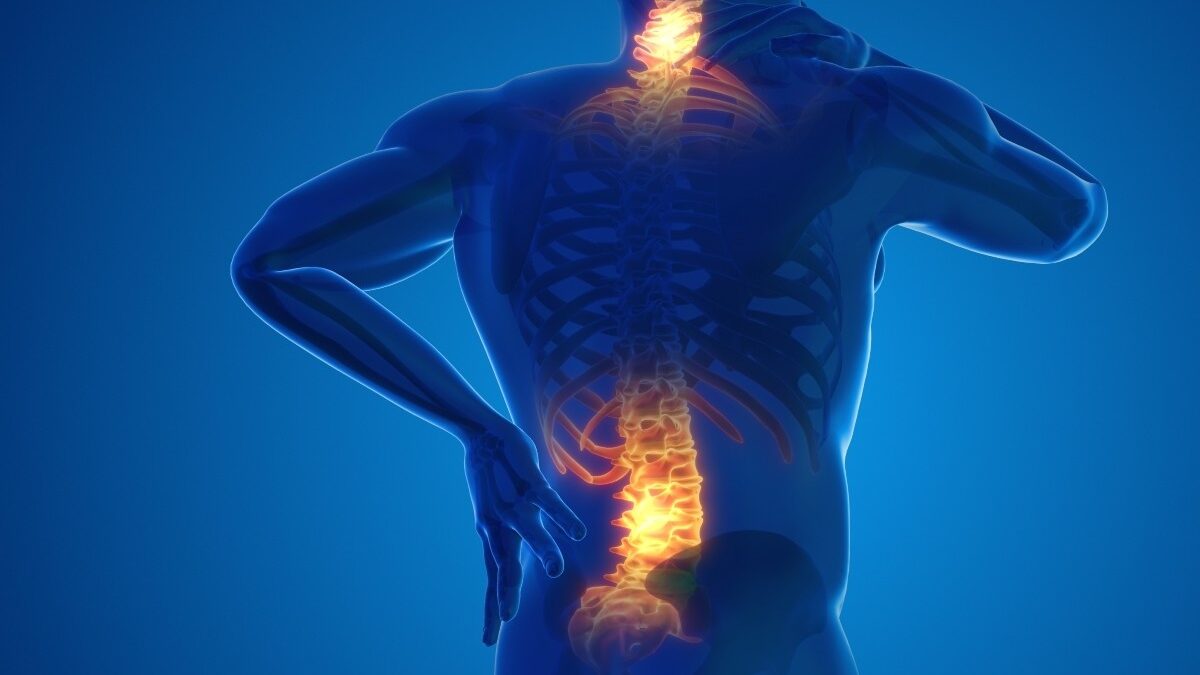
Back pain is one of the most common health concerns, affecting millions of people each year. It can range from a dull, nagging ache to sharp, debilitating pain that makes even the simplest movements difficult. Because back pain varies so widely in severity, doctors often use a standardized pain scale to help patients describe what they’re experiencing.
Understanding where your pain falls on this scale can help guide treatment, from conservative care to advanced procedures. The more specific you can be, such as tracking your pain daily in a journal or app, the easier it becomes to identify the root cause and create an effective treatment plan.
When to See a Doctor for Back Pain
Back pain is common, but persistent or severe symptoms should never be ignored. You should see a doctor if your pain:
- Lasts more than a few weeks without improvement
- Interferes with your ability to work, exercise, or sleep
- Radiates into the legs, arms, or other areas
- Is associated with weakness, numbness, or tingling
- Worsens at night or when resting
Seek immediate medical attention if back pain is accompanied by loss of bladder or bowel control, fever, unexplained weight loss, or follows a traumatic injury such as a fall or car accident. Bring a detailed pain history to your appointment to help your provider identify patterns and potential triggers.
Common Causes of Back Pain
Back pain can develop suddenly or gradually and may result from several conditions:
Muscle or ligament strain: Often from heavy lifting or awkward movements.
Herniated or bulging discs: When cushioning discs between vertebrae weaken or rupture. Learn more about herniated discs and how they can affect daily function.
Arthritis and spinal stenosis: Narrowing of the spinal canal, often causing nerve compression. Florida Surgery Consultants also treats spinal stenosis with a range of options based on severity.
Osteoporosis: Leading to bone weakness and compression fractures.
Skeletal irregularities: Such as scoliosis, which changes spinal alignment.
Schedule a basic movement assessment with a physical therapist if your back pain is recurrent. PTs can spot posture or movement problems that contribute to pain.
Risk Factors for Back Pain
Anyone can experience back pain, but certain factors increase risk:
Age: Most people first notice back pain in their 30s or 40s.
Weight: Excess body weight strains the spine.
Lifestyle: Lack of regular exercise weakens core and back muscles.
Work demands: Jobs that involve heavy lifting or long hours sitting can contribute.
Smoking: Restricts blood flow to spinal tissues and slows healing.
Psychological factors: Anxiety and depression may worsen the perception of pain.
If you are sedentary or sit most of the day, set a timer to stand, stretch, or walk every few minutes. Regular movement can significantly lower your risk of chronic pain.
How Doctors Diagnose Chronic Back Pain
Diagnosing back pain typically begins with a physical exam, where your provider assesses range of motion, strength, and reflexes. Additional tests may include:
X-rays: Reveal bone problems like fractures or arthritis.
MRI or CT scans: Provide detailed images of discs, nerves, and soft tissues.
Electromyography (EMG): Measures nerve function and can detect issues like spinal stenosis.
Blood tests or bone scans: Occasionally used to rule out infections or tumors.
This diagnostic process helps pinpoint the source of pain and guides the most appropriate treatment. Ask your provider about the risks and benefits of imaging. Not all back pain requires an MRI or CT scan, and unnecessary imaging can lead to overtreatment.
The 0–10 Pain Scale for Back Pain
The pain scale allows patients to communicate clearly with their doctors. Here’s a breakdown of what each level typically represents:
- 0: No Pain Life without pain, with no limitations on movement or daily activity.
- 1: Very Mild Pain Soreness or stiffness that is easy to ignore. Daily function is unaffected.
- 2: Mild Pain Noticeable but not disruptive. You can continue normal activities, though discomfort may linger.
- 3: Moderate Pain Persistent aches that begin to interfere with concentration or physical tasks. Relief may come with rest or over-the-counter medication.
- 4: Uncomfortable Pain The pain becomes harder to ignore. It may radiate to the hips or legs and can affect posture or mobility.
- 5: Distracting Pain Pain is constant and intrusive. It disrupts focus, impacts work or household responsibilities, and may limit exercise or sleep.
- 6: Distressing Pain Symptoms significantly affect mood and energy. Pain may radiate, causing tingling or numbness.
- 7: Severe Pain Movement is very limited. Pain dominates daily life, often requiring prescription medication or procedures.
- 8: Intense Pain Sharp, radiating, or burning pain that prevents most activities. Specialized treatments are often required.
- 9: Very Severe Pain Disabling pain that may require urgent evaluation, especially with loss of strength, sensation, or bladder or bowel control.
- 10: Debilitating Pain Pain so extreme it can cause fainting or total immobility. This level demands urgent care.
Getting the Right Treatment for Back Pain
Treatment depends on the severity and underlying cause. Options may include:
- Conservative care: Rest, physical therapy, anti-inflammatory medication, and lifestyle adjustments.
- Interventional pain management: Treatments such as epidural steroid injections, facet injections, or radiofrequency ablation. Explore options offered through interventional pain procedures.
- Minimally invasive procedures: Techniques like the DISCSEEL® Procedure or the Intracept Procedure can target the root cause without traditional surgery.
- Surgery: Reserved for severe cases, such as advanced spinal stenosis or structural damage not relieved by other treatments.
Take the Next Step Toward Relief
Back pain does not have to control your life. If your pain is persistent, worsening, or affecting your ability to function, it’s time to seek professional care. Request a consultation with Florida Surgery Consultants to identify the source of your pain and discuss a path toward lasting relief.