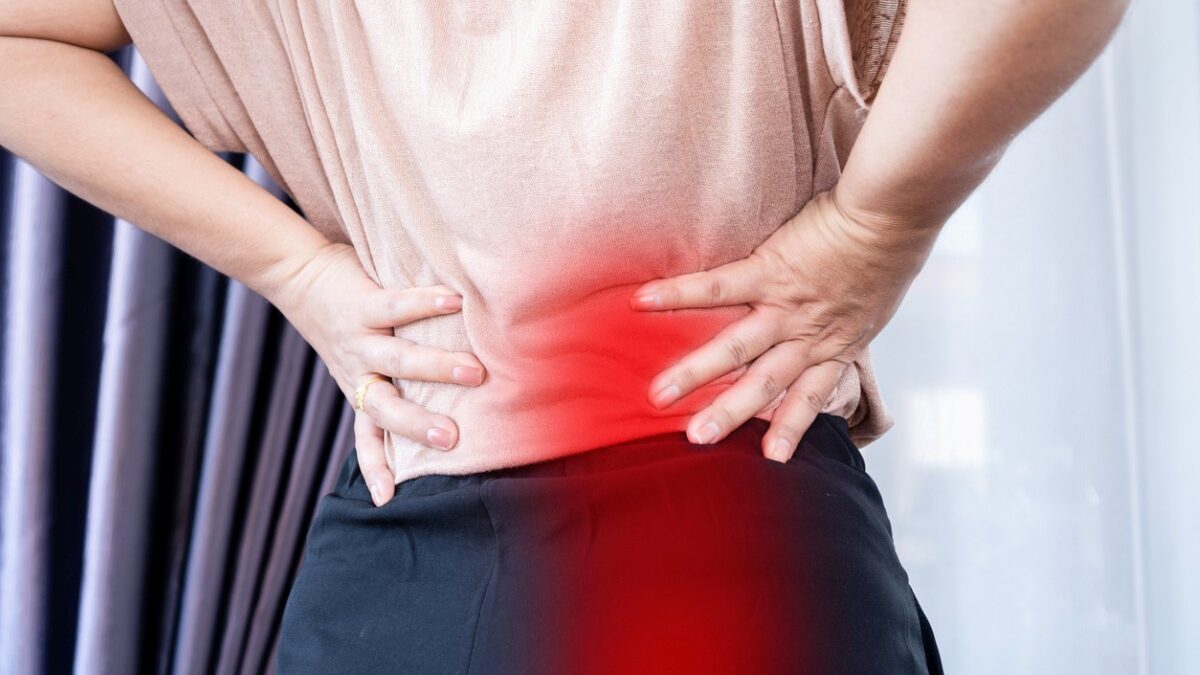
Sciatica is a common condition that causes pain radiating along the path of the sciatic nerve, which runs from the lower back through the hips and down each leg. For some, the pain is sharp and sudden, while for others it feels like a constant burning or tingling that interferes with daily life. Because sciatica can stem from different underlying problems, understanding why it happens and what treatments are available is the first step toward relief.
What Is Sciatica?
Sciatica is not a diagnosis on its own but a term that describes a set of symptoms. It develops when the sciatic nerve becomes compressed or irritated. The pain typically affects only one side of the body and can range from mild discomfort to severe, disabling pain.
Common Symptoms of Sciatica
- Lower back pain that radiates down the buttock and leg
- Sharp or burning sensations in the leg
- Numbness or tingling in the leg or foot
- Muscle weakness, making it difficult to stand, walk, or lift the foot
- Worsening pain with movement, such as bending, twisting, or sitting for long periods
These symptoms often appear suddenly, sometimes after lifting a heavy object or twisting awkwardly, but they can also develop gradually over time. Pain may worsen with coughing, sneezing, or bearing down, which can help distinguish sciatica from muscular back pain.
What Causes Sciatica?
Several conditions can irritate or compress the sciatic nerve:
- Herniated disc: A bulging or ruptured disc in the spine presses on the nerve root.
- Spinal stenosis: Narrowing of the spinal canal reduces space for the nerves.
- Degenerative disc disease: Wear and tear on spinal discs leads to instability and nerve irritation.
- Bone spurs or arthritis: Extra bone growth in the spine can pinch the nerve.
- Trauma: Falls, car accidents, or other injuries may damage spinal structures.
Risk factors such as age, obesity, prolonged sitting, and occupations involving heavy lifting or twisting can also increase the likelihood of developing sciatica. Other contributing factors include diabetes and pregnancy.
When to See a Doctor
Mild cases sometimes improve with rest, stretching, and over-the-counter medication. However, you should seek medical evaluation if you experience:
- Severe or worsening pain
- Pain lasting longer than a week or two
- Numbness or weakness in the leg or foot
- Loss of bladder or bowel control (a medical emergency)
Prompt evaluation can help prevent long-term nerve damage and guide you to the right treatment plan. Any sudden onset of severe back pain with weakness, numbness, or bowel or bladder changes may indicate cauda equina syndrome, which is a medical emergency.
Conservative Treatment Options
Most cases of sciatica improve without surgery. Conservative care focuses on relieving pressure on the nerve and improving mobility. Options include:
- Physical therapy to strengthen the core and improve flexibility
- Medications such as NSAIDs, muscle relaxants, or short-term pain relievers
- Heat and cold therapy to reduce inflammation and ease discomfort
- Lifestyle modifications such as posture changes and weight management
Interventional Treatments
When conservative care does not provide relief, interventional options may be considered:
- Epidural steroid injections to reduce inflammation around the nerve root
- Facet joint injections when joint inflammation contributes to nerve compression
- Radiofrequency ablation for longer-lasting pain relief
These procedures can provide relief that allows patients to continue physical therapy and daily activities while avoiding or delaying surgery.
When Surgery Is Necessary
Surgery may be recommended if sciatica is caused by a structural problem that does not improve with conservative or interventional care. Indications for surgery include:
- Severe or progressive leg weakness
- Persistent pain that interferes with daily life
- Loss of bladder or bowel control
- Large herniated discs or significant spinal stenosis
Not all patients need surgery, but it may provide faster relief in severe cases or when neurological symptoms progress.
Common Surgical Procedures
- Microdiscectomy: Removes part of a herniated disc pressing on the nerve.
- Laminectomy: Removes part of the bone or tissue narrowing the spinal canal.
- Minimally invasive techniques: At Florida Surgery Consultants, these procedures are often performed arthroscopically to reduce tissue disruption and shorten recovery times.
Recovery and Outlook
Most patients who undergo treatment for sciatica experience significant relief and a return to normal activities. Physical therapy and lifestyle changes remain essential after treatment to strengthen the spine and reduce the risk of recurrence.
Sciatica can be painful and disruptive, but effective treatments are available. From conservative care to minimally invasive surgery, the right plan depends on the cause and severity of your symptoms.
If your symptoms have persisted for more than six weeks or if conservative treatment has not led to improvement, seeking a specialist evaluation is the next step. Early intervention often leads to better long-term results.
If you are living with persistent leg or back pain, Florida Surgery Consultants can help identify the source and recommend the most effective path to relief. Schedule a consultation today to take the first step toward recovery.